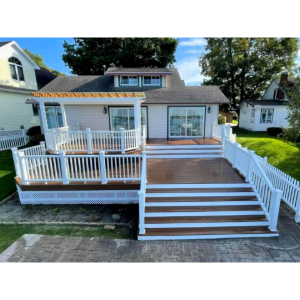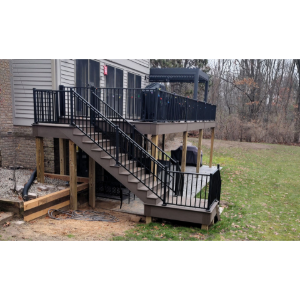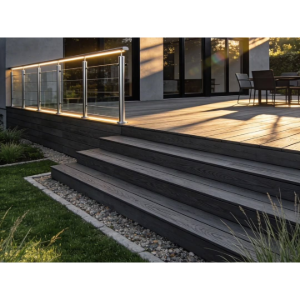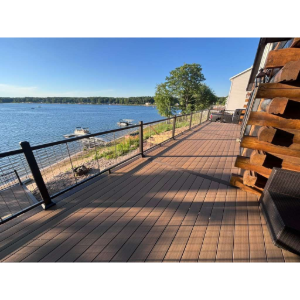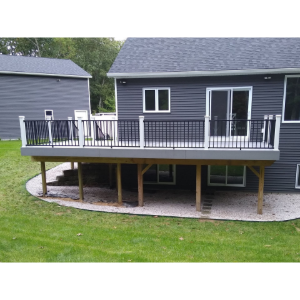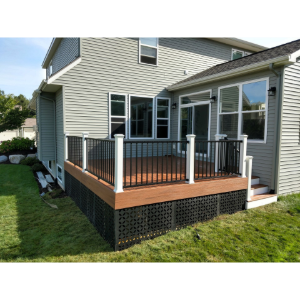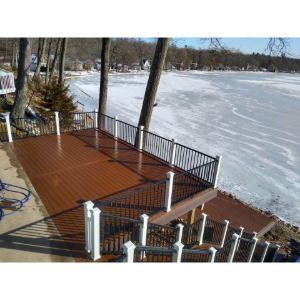

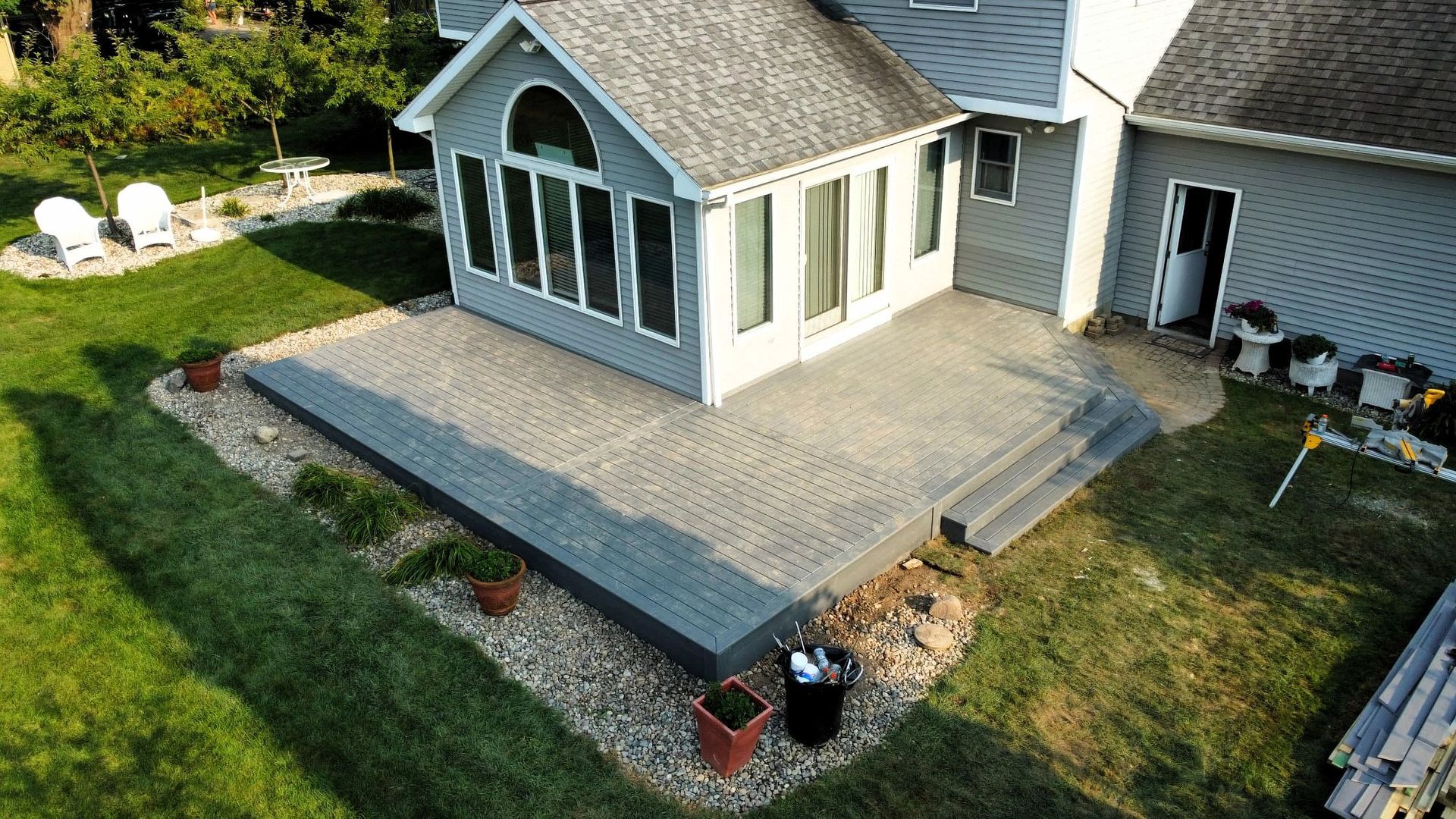
Building a deck is one of the best ways to enhance your outdoor living space. Whether you’re dreaming of summer barbecues, quiet mornings with coffee, or hosting friends and family, a well-built deck adds both value and enjoyment to your home.
But while the vision is exciting, the success of your project largely depends on one crucial decision: choosing the right contractor. Hiring the wrong one can turn your dream project into a stressful, expensive ordeal.
In this article, we’ll cover the basics of deck building and dive into the pros and cons of choosing the wrong contractor—so you know exactly what to avoid.
The Basics of Deck Building
Before jumping into contractor pitfalls, it’s helpful to understand what goes into building a deck.
Key Components of a Deck
- Foundation/Footings: Provides stability and prevents shifting.
- Framing: The structural skeleton of the deck.
- Decking Material: The visible surface—wood, composite, or PVC.
- Railings & Stairs: Safety features that also affect design.
- Finishing Touches: Stains, sealants, lighting, and built-ins.
Popular Decking Materials
- Pressure-treated wood: Affordable but requires maintenance.
- Cedar or redwood: Naturally resistant to rot, more expensive.
- Composite decking: Low maintenance, higher upfront cost.
- PVC decking: Durable and moisture resistant.
A good contractor will help you choose materials that match your budget, climate, and lifestyle.
Why Your Contractor Choice Matters So Much
Deck building isn’t just about aesthetics—it involves structural integrity, safety codes, and long-term durability. A qualified contractor ensures your deck is:
- Built to code
- Structurally sound
- Designed for longevity
- Properly permitted and inspected
Choosing the wrong contractor, however, can compromise all the above.
The Pros (Yes, Even the Wrong Choice Has a Few)
While it may seem odd, there can be a few short-term “pros” when hiring a less-qualified contractor:
1. Lower Initial Cost
Some contractors underbid projects to win jobs.
- Pro: You may save money upfront.
- Reality: These savings often disappear due to repairs, rework, or hidden costs.
2. Faster Scheduling
Less reputable contractors may be more available.
- Pro: Your project could start sooner.
- Reality: Speed often comes at the cost of quality.
3. Flexibility with Rules
They may be more willing to “cut corners.”
- Pro: Fewer delays (no permits, fewer inspections).
- Reality: This can lead to legal and safety issues later.
The Cons of Choosing the Wrong Contractor
Unfortunately, the drawbacks far outweigh any short-term benefits.
1. Poor Workmanship
One of the biggest risks is subpar construction:
- Uneven or unstable decking
- Loose railings (a major safety hazard)
- Improper spacing or fastening
- Weak structural framing
This can lead to costly repairs—or even complete replacement.
2. Safety Hazards
Decks must meet strict building codes for a reason.
- Incorrect foundations can cause collapse
- Improper railings can lead to falls
- Weak framing may not support weight
A poorly built deck can put your family and guests at serious risk.
3. Code Violations and Fines
Skipping permits or inspections can come back to haunt you:
- Failed home inspections when selling
- Fines from local authorities
- Required demolition and rebuild
You could end up paying twice for the same project.
4. Hidden Costs
A low initial quote often leads to:
- Change orders
- Material substitutions
- Fixing “unexpected issues”
What seemed like a bargain can quickly exceed the cost of a reputable contractor.
5. Project Delays or Abandonment
Unreliable contractors may:
- Miss deadlines
- Disappear mid-project
- Juggle too many jobs
You could be left with an unfinished deck for weeks—or months.
6. Low-Quality Materials
To cut costs, some contractors use inferior materials:
- Warping or splitting wood
- Rusting hardware
- Fading or cracking surfaces
This reduces the lifespan of your deck significantly.
7. Warranty and Insurance Issues
A bad contractor often lacks:
- Proper licensing
- Insurance coverage
- Warranty backing
If something goes wrong, you could be financially responsible.
How to Avoid Hiring the Wrong Contractor
Protect yourself by doing a little homework:
✅ Check Credentials
- Licensed and insured
- Familiar with local building codes
✅ Read Reviews & Ask for References
- Look for consistent positive feedback
- Ask to see completed projects
✅ Get Detailed Estimates
- Clear scope of work
- Material specifications
- Timeline and payment schedule
✅ Don’t Just Choose the Cheapest Bid
- Compare value, not just price
✅ Get Everything in Writing
- Contracts should be clear and comprehensive
Final Thoughts
Building a deck is an investment—not just financially, but in your home and lifestyle. While it may be tempting to save money or rush the process, choosing the wrong contractor can lead to stress, safety risks, and significant additional costs.
Taking the time to hire a qualified, trustworthy professional ensures your deck will be:
- Safe
- Beautiful
- Durable
- Worth every penny
Deck Building in Grand Rapids, MI: Why Choosing the Right Contractor Matters
Building a deck in the Grand Rapids area is one of the best ways to make the most of Michigan’s beautiful (but sometimes short!) outdoor season. Whether it’s hosting summer gatherings, enjoying fall evenings, or adding value to your home, a well-built deck can transform your space.
But in West Michigan, where weather conditions and local building codes play a major role, choosing the right contractor is critical. The wrong choice can lead to costly repairs, safety issues, and frustration.
Let’s walk through the essentials of deck building—and the real pros and cons of hiring the wrong contractor.
Deck Building in West Michigan: What Makes It Unique?
Grand Rapids presents a few specific challenges that homeowners should keep in mind:
🌦️ Weather & Climate
- Heavy snow loads in winter
- Freeze-thaw cycles that affect footings
- Humidity and rain leading to rot or mold
A qualified contractor will build with these factors in mind, using proper materials and techniques to prevent long-term damage.
🏡 Local Codes and Permits
Most deck projects in Grand Rapids require permits and inspections. Building codes focus heavily on:
- Proper footing depth (below frost line)
- Railing height and spacing
- Structural load requirements
Skipping these steps can create major issues when selling your home—or worse, lead to unsafe conditions.
🌲 Popular Materials in the Area
Homeowners in West Michigan often choose:
- Pressure-treated lumber (budget-friendly, but needs maintenance)
- Composite decking (popular due to moisture resistance)
- Cedar decking (great for aesthetics, but higher cost)
A reputable local contractor will recommend materials that hold up well in Michigan’s climate.
The “Pros” of Choosing the Wrong Contractor
While it’s not ideal, there are a few short-term advantages that sometimes attract homeowners to less-qualified contractors:
1. Lower Upfront Pricing
- Appeal: Cheaper estimates than established companies
- Reality: Costs often increase due to poor workmanship or repairs
2. Faster Start Times
- Appeal: Immediate availability during peak building season
- Reality: Rushed work can lead to mistakes and code violations
3. Cutting Corners on Permits
- Appeal: Faster project completion
- Reality: Serious legal and financial consequences later
The Cons (Especially in Grand Rapids)
In a climate like West Michigan’s, hiring the wrong contractor can be especially costly.
1. Poor Construction That Doesn’t Survive Michigan Winters
If a deck isn’t built properly:
- Frost heave can shift or crack the foundation
- Boards may warp or split after freeze-thaw cycles
- Fasteners can loosen due to temperature changes
2. Safety Risks
A poorly built deck is more than just an eyesore:
- Weak framing can fail under snow or heavy use
- Loose railings are dangerous for families and guests
- Improper stairs increase liability risk
3. Failed Inspections & Local Code Violations
In Grand Rapids:
- Inspectors enforce strict compliance
- Unpermitted decks can delay or kill a home sale
- You may be forced to tear down and rebuild
4. Hidden Costs in a Competitive Market
Some contractors in West Michigan underbid jobs to stay competitive:
- Low bids often mean cheaper materials or shortcuts
- Unexpected “add-ons” appear mid-project
- Repairs may be needed within just a few years
5. Scheduling Issues During Peak Season
Spring and summer are busy times in Grand Rapids:
- Unreliable contractors may overbook
- Projects can be delayed for weeks
- Work may stop mid-project
6. Materials Not Suited for Michigan
Choosing the wrong materials can lead to:
- Moisture damage
- Mold or mildew buildup
- Early deterioration
A knowledgeable local contractor understands what works best in this environment.
7. No Warranty or Protection
If your contractor isn’t properly licensed or insured:
- You may be liable for injuries
- Repairs won’t be covered
- There’s little recourse if work is subpar
How to Choose the Right Contractor in Grand Rapids
Here are some practical, local-specific tips:
✅ Verify Licensing & Insurance
Make sure they comply with Michigan requirements and carry liability coverage.
✅ Ask About Local Experience
- Have they built decks in West Michigan before?
- Do they understand frost depth requirements?
✅ Check References Nearby
- Ask for projects in the Grand Rapids area
- If possible, see completed decks in person
✅ Get Detailed Written Estimates
Include:
- Materials (brand/type)
- Timeline
- Permit handling
✅ Be Cautious of “Too Good to Be True” Pricing
In this area, extremely low bids are often a red flag.
Final Thoughts
Building a deck in Grand Rapids comes with unique challenges—but also incredible rewards. When done right, your deck can handle Michigan’s weather, pass inspections easily, and provide years of enjoyment.
While a cheaper or faster option might seem appealing, choosing the wrong contractor often leads to:
- Higher long-term costs
- Safety concerns
- Stress and delays
Investing in a reputable, experienced contractor ensures your deck is built to last—through every Michigan season.