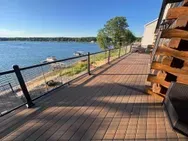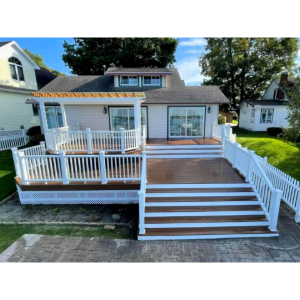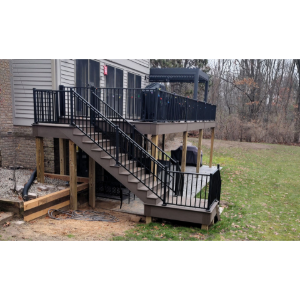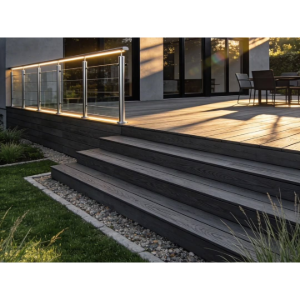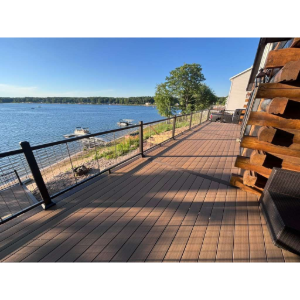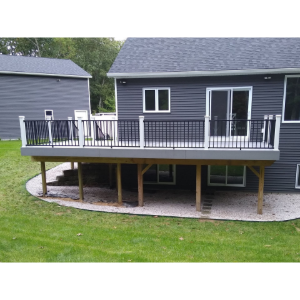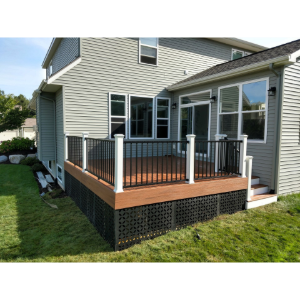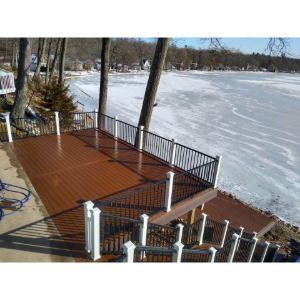

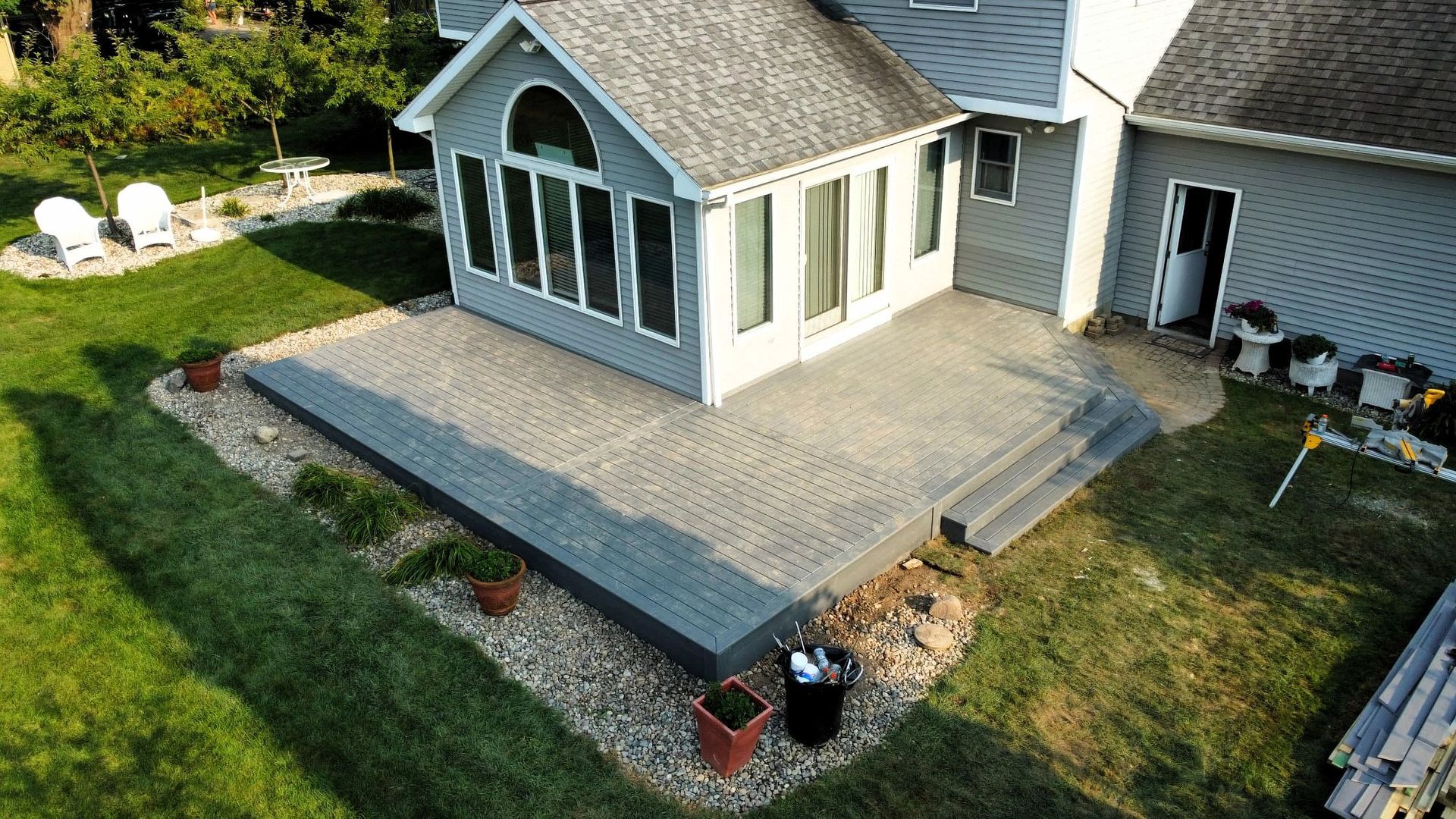

Elevate Your Home and Lifestyle with a Thoughtfully Designed Deck

Imagine stepping outside your back door into a seamless extension of your living space—where morning coffee tastes better, evening gatherings feel more intimate, and weekends unwind naturally in the fresh air. Custom decks have become a cornerstone of modern outdoor living, especially in regions like Southwest Michigan, where seasonal shifts invite homeowners to maximize their time outdoors. A well-designed deck doesn’t just add square footage—it enhances functionality, boosts curb appeal, and creates a personalized retreat tailored to your lifestyle.
Homeowners increasingly recognize that outdoor spaces are more than afterthoughts—they’re essential zones for relaxation, entertainment, and connection. Whether you’re hosting summer barbecues in Portage, enjoying quiet evenings under string lights, or creating a safe play area for kids, a custom deck bridges the gap between indoor comfort and nature’s serenity. With the right layout, materials, and structural planning, you can solve common challenges like limited space, poor yard flow, or lack of privacy—all while increasing your property’s long-term value.
In this guide, you’ll discover how to plan a deck that complements your home’s architecture, aligns with local climate considerations, and supports your vision for outdoor living.
Plan Smart: Essential Design Factors for Your Custom Deck
Designing a custom deck requires thoughtful consideration of key elements that impact both functionality and long-term value. Start by evaluating your available outdoor space and intended use—whether for entertaining, relaxation, or enhancing your home’s curb appeal in Portage and surrounding West Michigan areas. The size of your deck should align with your household’s lifestyle and yard dimensions, ensuring ample room for furniture, foot traffic, and future modifications.
Next, consider materials, as they influence maintenance, durability, and aesthetics. Traditional pressure-treated lumber offers affordability and strength, while composite decking provides a low-maintenance, splinter-free option in a variety of colors and textures. Each material has unique load-bearing properties and weather resistance, especially important in regions with seasonal temperature shifts.
Your layout is equally critical. Multi-level decks create visual interest and can define zones for dining or lounging. Incorporate built-in seating, stairs with storage, or integrated lighting to maximize usability. Orientation matters too—position your deck to take advantage of afternoon shade or sunset views.
Working with local building codes and permit requirements ensures compliance and structural safety. By planning strategically, you create not just an outdoor addition, but a seamless extension of your living space.
Weighing Your Deck Material Options: Wood, Composite, and PVC Compared
Choosing the right decking material impacts not only your outdoor aesthetic but also long-term maintenance, durability, and property value—especially in regions like Southwest Michigan with distinct seasonal shifts. Understanding the core differences between wood, composite, and PVC ensures your deck remains a functional, attractive space for years.
- Natural Wood (e.g., pressure-treated pine, cedar):
- Pros: Offers timeless charm and natural grain; generally the most budget-friendly upfront; repairable and stainable.
- Cons: Requires annual sealing or staining; prone to warping, splintering, and insect damage; higher long-term maintenance. Ideal for homeowners seeking a classic look and willing to invest time in upkeep.
- Composite Decking (wood-plastic blend):
- Pros: Combines wood’s appearance with modern durability; resists rot, insects, and fading; minimal maintenance (sweep and wash).
- Cons: Higher initial cost; can retain heat in direct sun; some formulations may show surface scratches. A top choice for families wanting low maintenance without sacrificing visual appeal.
- PVC Decking (100% polymer):
- Pros: Fully synthetic, so it resists moisture, mold, and decay; requires virtually no staining or sealing; excellent for wet or shaded areas.
- Cons: Can feel less “wood-like” underfoot; prone to thermal expansion if improperly installed; may appear more artificial. Best for high-humidity environments or those prioritizing longevity over warmth.
Evaluate foot traffic, climate exposure, and lifestyle needs when comparing performance across these categories.
Why Expert Craftsmanship Makes All the Difference in Deck Building
When transforming your outdoor space, partnering with seasoned deck builders ensures your structure isn’t just visually appealing—it’s built to withstand Michigan’s freeze-thaw cycles, humidity, and seasonal extremes. Professional builders bring precision to every phase, from initial layout and footing placement to joist spacing and railing installation, minimizing the risk of costly errors like uneven surfaces, structural weakness, or premature deterioration.
Experienced craftsmen adhere to local building codes in cities like Portage, Kalamazoo, and Grand Rapids, securing necessary permits and using corrosion-resistant fasteners, properly treated lumber or composite materials, and advanced flashing techniques to prevent water intrusion. They understand how soil composition affects footing depth and how deck pitch impacts drainage—details that impact longevity.
Use structured framing techniques like 2x10 joists spaced 12” on center for enhanced support
Incorporate hidden fasteners for a clean finish and reduced splintering
Install composite decking with proper expansion gaps to prevent warping
Beyond compliance, professional builders anticipate long-term maintenance challenges, recommending low-maintenance materials and designs that age gracefully. They also integrate safety features such as proper stair rise/run ratios and secure guardrails—critical for multi-level decks. By prioritizing sound construction principles over shortcuts, experienced teams deliver outdoor living spaces that remain durable, safe, and beautiful for decades, not just a few seasons.
Your Deck Building Questions Answered
Do I need a permit to build a deck in West Michigan?
Most deck projects in West Michigan require a building permit, especially if the deck is attached to your home, over a certain height, or larger than 200 square feet. Local municipalities typically regulate this, so it's essential to check with your city or township planning department. Permits help ensure your deck meets structural, safety, and zoning standards. Skipping this step could lead to fines or issues when selling your home.
How long does a custom deck build take from start to finish?
Timelines vary based on design complexity, materials, and weather, but most residential decks take 4–8 weeks. The process includes design approval, permitting (1–2 weeks), material sourcing, and construction. Weather in Southwest Michigan can impact outdoor build schedules, especially during spring and fall.
What’s the difference between pressure-treated wood and composite decking?
Pressure-treated lumber is cost-effective and durable but requires annual sealing and is prone to warping over time. Composite decking, made from wood fibers and plastic, resists fading, staining, and insects, needing only basic cleaning. It’s more expensive upfront but offers lower long-term maintenance.
How often should I inspect or maintain my deck?
Inspect annually for loose boards, rusted fasteners, or structural shifts. Clean decks every 12–18 months; reseal wood decks yearly. Pay extra attention after harsh winters.
Can I build a deck over an existing concrete patio?
Yes, with proper structural planning. A raised deck can be framed above the patio, but ensure proper clearance and drainage to prevent moisture buildup.
Elevate Your Home and Lifestyle with a Thoughtfully Built Outdoor Retreat
Investing in a custom deck isn’t just a home improvement project—it’s a long-term enhancement to your quality of life and property value. A professionally designed and built deck extends your living space outdoors, creating a dedicated area for relaxation, entertainment, and connection with family and nature. Homeowners across Michigan, especially in communities like Portage and surrounding Kalamazoo County, are recognizing the lasting benefits of durable, low-maintenance materials such as composite decking and multi-level designs that blend seamlessly with natural landscapes.
A well-constructed deck enhances curb appeal, supports healthier outdoor living habits, and offers a strong return on investment when selling. Unlike temporary patio sets or basic wood platforms, a custom deck is built to withstand regional weather conditions while minimizing upkeep. From built-in seating and outdoor kitchens to lighting and pergolas, these features transform ordinary yards into functional retreats.
Ready to make the most of your backyard? Start by assessing your property’s layout, elevation, and sun exposure to determine the ideal deck location and orientation. Then, consult with experienced local builders familiar with regional codes and materials to bring your vision to life—turning seasonal dreams into year-round enjoyment.